All Categories
Featured
Why Whole Life Protects Future Security
(MEC). (ICHRA): An ICHRA is likewise a stand-alone HRA, but it's readily available to employers of all sizes and has no contribution limitations.
They must have a qualifying type of individual health protection to get involved. (GCHRA): Likewise known as an incorporated HRA, a GCHRA is for employers of any size who use a group health plan. Just employees enrolled in their employer's group plan can get involved.
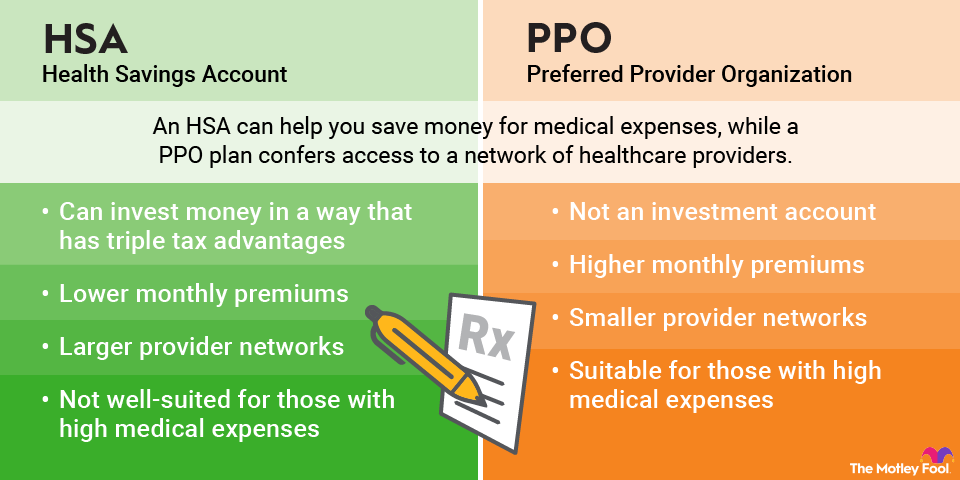
Appeal IRMAA SurchargeWhile they have no optimum contribution limits, the IRS does not permit repayments for month-to-month premiums. No matter whether it's used in coordination with an HMO or PPO strategy, there's an HRA that can help workers spend for their out-of-pocket medical expenses and, in some cases, their health insurance coverage premiums. An HRA is a popular alternative choice over traditional health benefits since they're economical for employers and versatile enough for each staff member.
Steps to Obtain Best Medicare Medigap Quotes
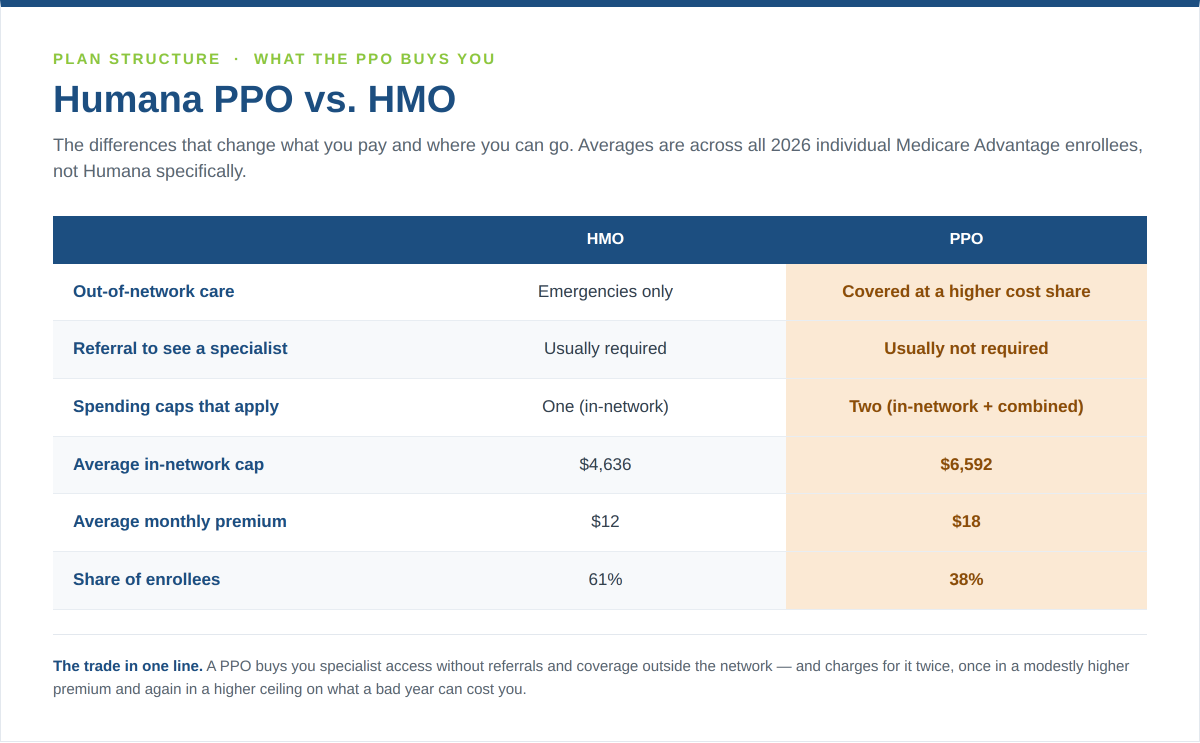
An HMO might be your best bet if you're looking for a strategy with a low premium. A PPO strategy supplies extra versatility if you need more control over your health care. That's why looking into these plans carefully, including their pros, cons, and typical expenses, is the finest primary step you can take previously deciding.

Latest Posts
Selecting the 2026 Medicare Advantage Plans
Medicare Advantage vs Advantage Options
How to Use IUL for Retirement Planning